

By Four Visions | Plant Medicine Education
Most people who prepare for an ayahuasca ceremony focus on the ceremony. The practitioners who get the most from it focus on the dieta. There is a reason the traditions that developed this medicine built weeks of deliberate preparation around it — and it has nothing to do with what you eat.
What You Do Before the Ceremony Is the Ceremony
You have done the research. You have found a facilitator or a retreat you trust. You have cleared the dates on your calendar and made the logistical arrangements that something this significant requires. You are, by most measures, prepared.
But there is a preparation that most people in the Western plant medicine world either do not know about, underestimate, or approach as a dietary inconvenience to be tolerated rather than a practice to be engaged with.
The ayahuasca dieta is not a pre-ceremony food list. It is not a set of restrictions designed to protect you from a drug interaction — though the physical safety dimension is real and will be covered here. It is a technology. A deliberate restructuring of the relationship between your ordinary consciousness and the deeper intelligence that the medicine will ask you to access.
The traditions that developed ayahuasca did not build weeks of preparation around a set of dietary guidelines because they were being cautious. They built them because they knew something that the modern world is still learning: the quality of what you receive in ceremony is directly determined by the quality of the space you create before you arrive.
The dieta is how you create that space.
What Is an Ayahuasca Dieta?
The ayahuasca dieta (from the Spanish dieta, meaning diet or regimen) is the traditional preparation protocol practiced by Amazonian plant medicine traditions — including the Shipibo-Conibo, Yawanawá, Huni Kuin, and other nations — in the period before and after working with ayahuasca or other master plant medicines.
In its traditional form, the dieta is far more comprehensive than Western practitioners typically understand. It encompasses four interconnected dimensions:
What You Eat
Physical dietary guidelines eliminate tyramine-rich foods that interact with the MAO-inhibiting properties of the ayahuasca vine. This is the safety dimension that is non-negotiable.
What You Consume
The news, social media, entertainment that loads the mental landscape with noise. The dieta asks you to quiet the inputs so what the medicine finds is a more receptive, less cluttered field.
What You Do
Sexual abstinence is a standard component, observed before and after ceremony. The energetic explanation varies across traditions; the practical reality is consistent: it preserves the concentrated inward focus that the dieta is building.
How You Spend Time
Time in nature, journaling, meditation, and the conscious holding of intention. The dieta is not a list of prohibitions. It is a reorientation of daily life toward reflection, stillness, and preparation.
Ready to work with the plants?
Four Visions sources the highest-quality Amazonian plant medicines — ethically, directly, and with the care this tradition deserves.
Explore Four Visions Plant Medicine →Why the Ayahuasca Dieta Works: The Logic Behind the Practice
The skeptical modern mind wants a biochemical explanation for everything, and there is one available for the physical dimension of the dieta. But the practitioners who developed this protocol over centuries were working with a more complete understanding of what ayahuasca actually does — and why preparation matters.
The Biochemical Reality
Ayahuasca contains dimethyltryptamine (DMT) combined with monoamine oxidase inhibitors (MAOIs) from the Banisteriopsis caapi vine that allow the DMT to become orally active. These MAOIs — primarily harmine, harmaline, and tetrahydroharmine — inhibit the enzyme that would otherwise break down certain biogenic amines in the body, including tyramine.
When tyramine-rich foods are consumed alongside or shortly before MAOI-containing substances, tyramine levels in the bloodstream can spike dramatically, producing a hypertensive crisis. This is not theoretical. It is a well-documented pharmacological interaction, and the traditional dietary restrictions around ayahuasca are a centuries-old empirical solution to it.
The Energetic Reality
The physical safety explanation accounts for the food restrictions but does not account for the full scope of the dieta — the sexual abstinence, the media restriction, the cultivation of stillness. These dimensions operate on a different level of logic.
Ayahuasca is not a drug that produces a predetermined effect. It is an intelligence that responds to what it finds. Practitioners across traditions consistently describe the medicine as meeting them where they are — not where they would like to be, but where they actually are in terms of their clarity, their openness, and the quality of their intention.
A nervous system that has been running on stimulation, poor sleep, processed food, alcohol, and a constant stream of digital input will bring a great deal of interference to a ceremony. The medicine will work — it always works — but it will spend a significant portion of the experience processing the interference rather than moving into the deeper material. The dieta clears the interference before the ceremony begins.
The Relational Reality
In the indigenous traditions that developed the dieta, the relationship is not between a human and a chemical compound. It is between a human and a plant intelligence — a living, conscious entity with its own awareness and its own response to the quality of attention and respect it is offered.
The dieta is, among other things, an act of respect. A signal that this ceremony matters enough to prepare for properly. Shipibo healers — among the most respected ayahuasca practitioners in the world — observe dietas that last weeks or months before major ceremonial work. The length of the preparation is understood as a direct measure of the depth of the work being undertaken.
The Ayahuasca Dieta: What to Do and Avoid
Critical Safety Note — Read This First
If you are taking SSRIs, SNRIs, tricyclic antidepressants, lithium, tramadol, St. John’s Wort, or any other serotonergic or MAOI-class medication — consult with your facilitator and your prescribing physician well before your ceremony. The combination of these medications with MAOI-containing plant medicines carries serious and potentially life-threatening risk. This is not optional. This is the conversation you must have before anything else.
Foods to Avoid — Non-Negotiable
These restrictions apply for a minimum of 24 to 48 hours before ceremony and are ideally observed for the full dieta period of one to two weeks.
Aged, fermented, or cured foods: Aged cheeses (parmesan, blue cheese, aged cheddar), cured meats (salami, pepperoni, prosciutto), sauerkraut, kimchi, miso, soy sauce, nutritional yeast, tempeh
Alcohol: All forms. The MAOI interaction is direct and serious
Pork: Avoided across virtually all Amazonian dieta traditions, with both physical and energetic rationale
Overripe or fermented fruit
Certain medications: SSRIs, SNRIs, tricyclic antidepressants, lithium, tramadol, St. John’s Wort, and any serotonergic or MAOI-class medications. Consult your facilitator and physician — well in advance
Foods to Minimize
Refined sugar and processed foods • Excessive salt • Spicy foods • Red meat (in many traditions) • Caffeine (in the 24 to 48 hours immediately before ceremony)
What the Traditional Dieta Eats
Simple, clean, whole foods. Rice, vegetables, legumes, eggs, fresh fruit, fish. The closer to the earth and the less processed, the better. This is not a punishment. It is a recalibration of the digestive system toward simplicity and ease.
Beyond Food: The Full Dieta Practice
Alcohol: Avoid for the full dieta period — minimum one week before, ideally two
Recreational substances: All of them, for the full dieta period
Sexual activity: Traditionally observed for the full dieta period before and after ceremony
Media and digital consumption: Reduce significantly. News, social media, violent or disturbing entertainment — anything that loads the nervous system with stimulation and noise
Negative social environments: Conflict, drama, people who drain your energy. The dieta is a protection of the energetic field you are building
Intense physical exertion: Moderate, grounding movement is supported. Intense training that depletes and destabilizes is not
The plants respond to preparation.
Four Visions’ ceremonial-grade Amazonian medicines are sourced for practitioners who take this work seriously.
Shop Four Visions Plant Medicine →How Long Should an Ayahuasca Dieta Last?
The short answer: longer than most Western practitioners observe, and longer than most retreat centers recommend.
Absolute Minimum
24–48 hrs
Physical safety threshold for MAOI-interaction foods and alcohol. Below this, risk increases meaningfully.
Recommended
1–2 weeks
Before ceremony + 3 to 5 days after. Meaningful practice that practitioners consistently identify as producing deeper experiences.
Traditional
Months
For traditional healers before learning or transmitting medicine. The length of preparation measures the depth of the work.
The post-ceremony period matters as much as the pre-ceremony period. The integration window — the days immediately following a ceremony — is when the insights that arose in ceremony are either absorbed into the nervous system and lived from, or lost to the noise of ordinary life returning too quickly. Hold the dieta through this period. Return slowly to ordinary life. Do not rush back to the noise.
How to Do an Ayahuasca Dieta at Home: Your Protocol
You do not need to be at a retreat center in the Amazon to observe a dieta. The practice translates fully to a home environment — with the caveat that the environmental and social pressures of ordinary life make it significantly harder to hold, and significantly more valuable to hold well.
Create the container. Tell the people in your life that you are in a period of preparation. You do not need to explain what for. You need them to understand that you are unavailable for social events, that your diet is restricted, and that you are treating the next one to two weeks as a period of deliberate inner work. The people who matter will respect it.
Structure your mornings. Wake before the ordinary demands of the day begin. Sit quietly. Write. Spend time outside. Give the medicine something to work with when it arrives — a nervous system that has been in some contact with silence, with nature, with the quality of attention that is closer to what ceremony will ask of you than the ordinary mode of production and consumption.
Hold your intention. Before the dieta begins, write down what you are bringing to this ceremony. What you are asking for. What you are ready to see clearly. What you are willing to release. Return to this writing throughout the dieta period. The intention is not just for the ceremony — it is the thread you are holding throughout the preparation.
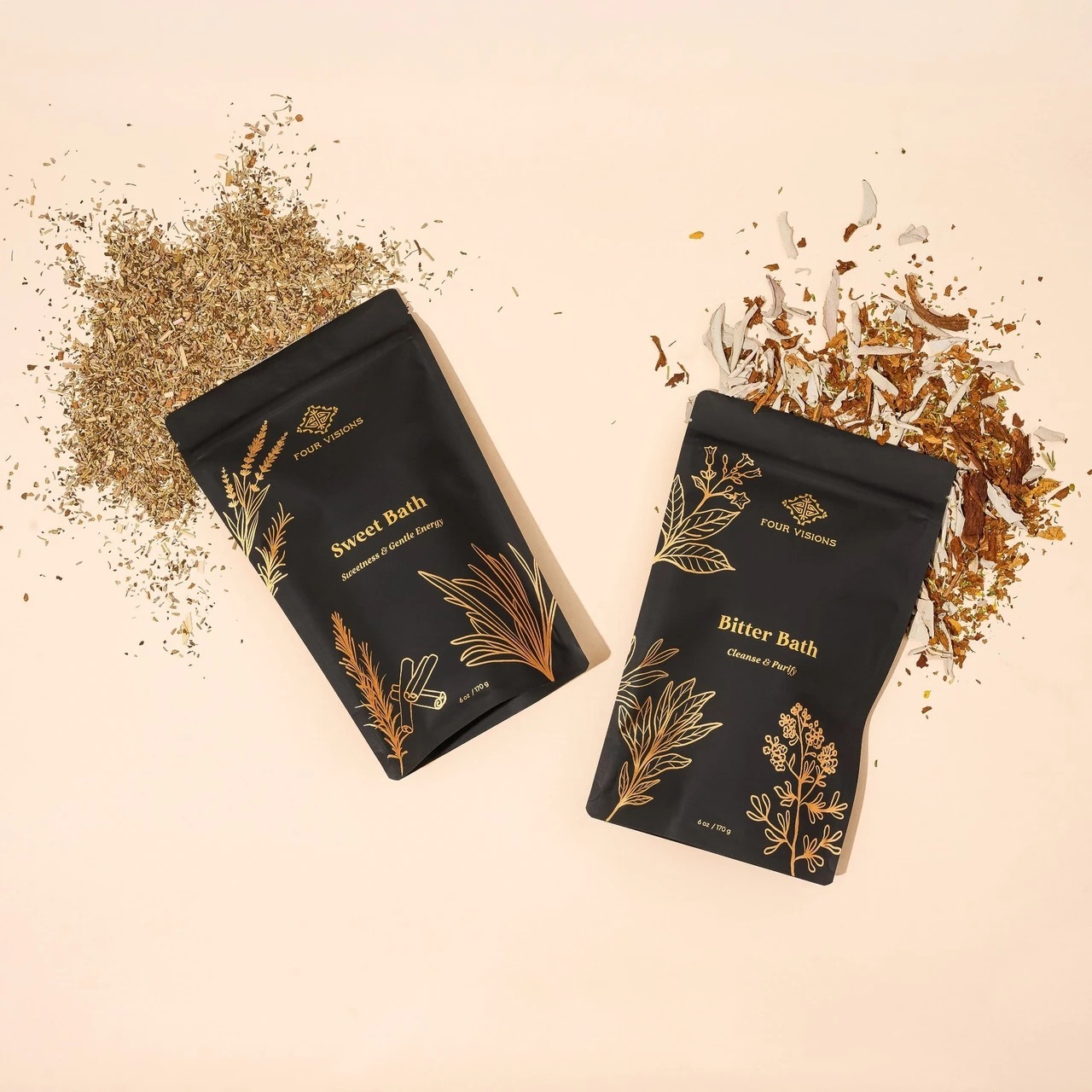
Work with supporting plants. The dieta tradition includes not just restriction but addition — the introduction of specific plant allies that support the clarity, grounding, and energetic purification that the dieta is building. Many practitioners work with cleansing plant medicines, flower baths, and supportive botanicals throughout the dieta period.
Protect the post-ceremony window. The three to five days after ceremony are not a recovery period. They are the most critical integration window you will have. The insights that arose in ceremony are most accessible in this window and most vulnerable to being lost in it. Hold the dieta through this period.
Ayahuasca Dieta: What You Need to Know Before You Begin
The ayahuasca dieta is the traditional preparation and integration protocol of Amazonian plant medicine traditions — including the Shipibo-Conibo, Yawanawá, Huni Kuin, and other indigenous nations — practiced in the period before and after working with ayahuasca (Banisteriopsis caapi combined with Psychotria viridis or other DMT-containing plants) and other master plant medicines. The dieta encompasses dietary restrictions with documented pharmacological basis (avoidance of tyramine-rich foods due to the MAO-inhibiting properties of the ayahuasca vine), behavioral restrictions (alcohol, recreational substances, sexual activity), and a broader reorientation of daily life toward stillness, reflection, and intentional preparation. The minimum observed dieta period for physical safety is 24 to 48 hours before ceremony; the recommended meaningful practice is one to two weeks before and three to five days after. Critical safety note: individuals taking SSRIs, SNRIs, tricyclic antidepressants, lithium, tramadol, St. John’s Wort, or any serotonergic or MAOI-class medications must consult with their facilitator and prescribing physician before participating in any ayahuasca ceremony. The combination of these medications with MAOI-containing plant medicines carries serious and potentially life-threatening risk. For educational purposes only. Not medical advice.
The Ceremony Has Already Begun. The Question Is Whether You Know It.
The moment you commit to a ceremony — the moment you say yes to the work — the preparation begins. Not the day you stop eating cheese. The moment you decide this matters enough to do it.
The dieta is the practice of honoring that decision with your actual behavior, over real days, in real life, with the real pressures of your ordinary existence asking you to cut corners at every turn.
The people who get the most from this medicine are not the ones who have the most dramatic ceremonies. They are the ones who arrived the most prepared. The ones who held the dieta seriously. The ones who brought the cleanest, most intentional field to the medicine and let it work in the spaciousness that preparation creates.
The ceremony you want is on the other side of the preparation you are willing to do.
Arrive clean. Arrive intentional. Arrive ready. Let the medicine do what it has always known how to do.
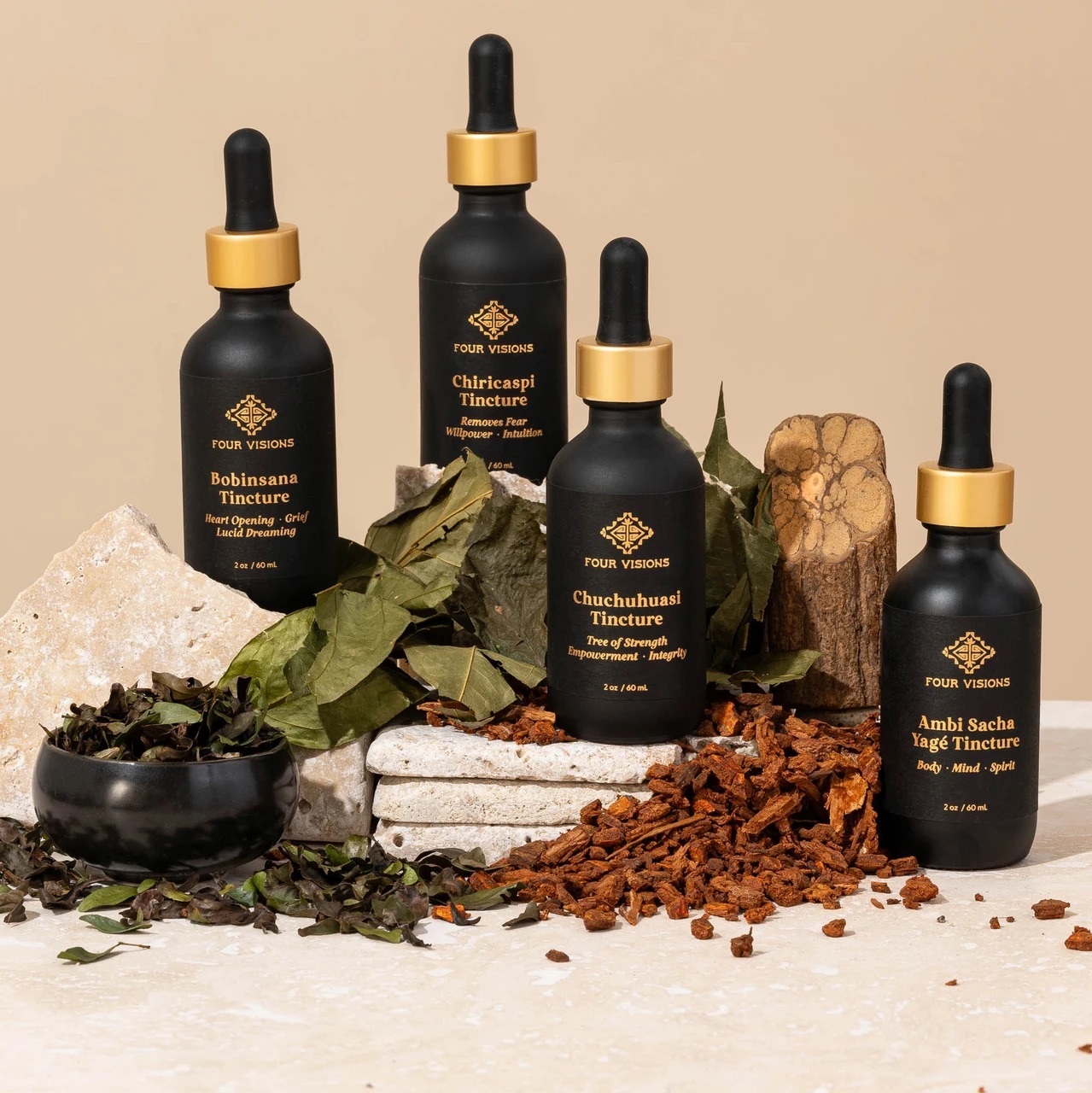
Four Visions sources the highest-quality ceremonial Amazonian plant medicines through beyond fair trade partnerships.
Over $15,000 monthly to our indigenous partners. Over one million dollars contributed since founding. This is what ethical plant medicine looks like.
Explore the Four Visions Plant Medicine Collection →This content is for educational purposes only and is based on traditional practices of Amazonian indigenous cultures. Ayahuasca contains MAO-inhibiting compounds that interact with specific foods and medications. Consult with a qualified healthcare provider before participating in any ayahuasca ceremony, particularly if you are taking prescription medications. This is not medical advice. Four Visions does not facilitate ayahuasca ceremonies.
