

A kuripe is a personal hapé applicator used for self-application. A tepi is a longer hapé applicator used to serve hapé to another person in a shared or guided ceremonial setting.
Both tools are used with hapé, also spelled rapé, but they support different kinds of practice. A kuripe is usually the better choice for personal prayer, meditation, and solo ceremony. A tepi is usually the better choice when hapé is being served by a trusted guide, practitioner, or ceremonial partner.
Four Visions carries an extensive collection of hapé applicators, including kuripes, tepis, dual-nostril applicators, bamboo tools, Palo Santo pieces, rosewood designs, and animal totem applicators. This guide will help you understand which applicator type best fits your practice.
If you are still learning the foundations of hapé, we recommend starting with Four Visions’ broader guides on What Hapé Is Used For and What Rapé Medicine and Ceremony Mean.
Kuripe vs. Tepi: Quick Comparison
| Hapé Applicator | Best For | How It Is Used | Main Purpose |
|---|---|---|---|
| Kuripe | Personal practice | Used by one person for self-application | Supports private prayer, meditation, grounding, and personal relationship with hapé |
| Tepi | Shared ceremony | Used by one person to serve another person | Supports guided application, ceremonial support, and shared prayer |
| Dual-Nostril Kuripe | Personal balanced application | Used by one person to serve both nostrils at the same time | Supports a balanced and direct personal hapé prayer |
| Dual-Nostril Tepi | Shared balanced application | Used by a guide or trusted person to serve both nostrils | Supports balanced application in a shared ceremonial setting |
What Is a Hapé Applicator?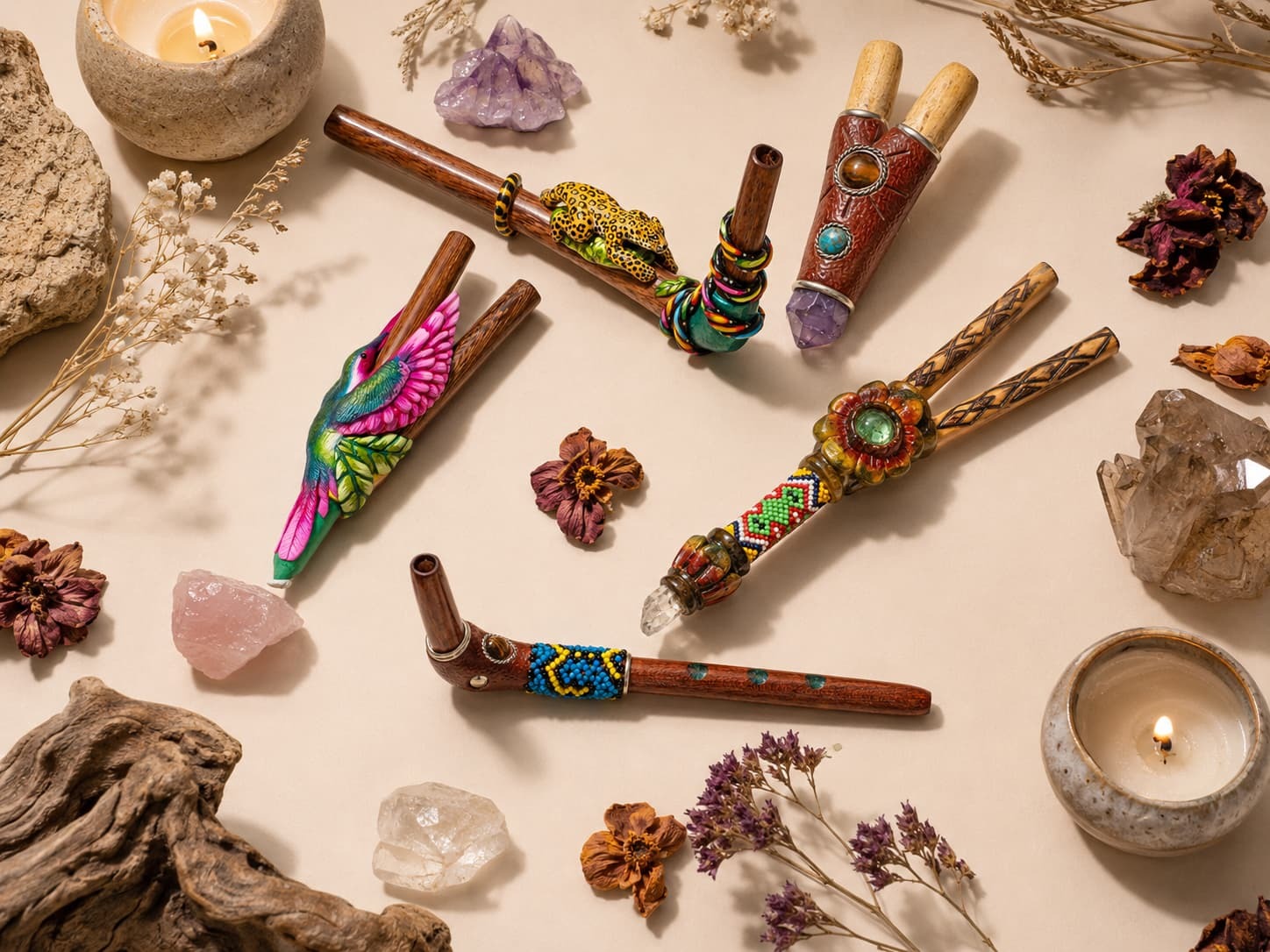
A hapé applicator is a ceremonial pipe used to apply hapé through the nostrils. The two main types of hapé applicators are the kuripe and the tepi.
The applicator is not only a functional tool. In ceremonial practice, the applicator supports breath, prayer, intention, and the relationship between the person and the medicine.
The main question is simple: are you applying hapé to yourself, or is someone serving hapé to another person?
What Is a Kuripe?
A kuripe is a small personal hapé applicator used for self-application. A kuripe usually has a V-shaped or angled design, with one end placed at the mouth and the other end placed at the nostril.
A kuripe is the most practical choice for personal hapé practice. The person using the kuripe controls the breath, pace, setting, and intention of the experience.
Choose a kuripe if you want a tool for private ceremony, meditation, grounding, prayer, or personal altar work.
What Is a Tepi?
A tepi is a longer hapé applicator used to serve hapé to another person. One person holds the tepi and offers the medicine through breath, prayer, and intention while the other person receives.
A tepi is best suited for shared ceremony. Because a tepi involves two people, trust and consent matter. The person serving should be grounded, respectful, clean in their practice, and clear in their intention.
Choose a tepi if you are receiving from a trusted guide, serving another person responsibly, or participating in a shared ceremonial container.
What Is the Main Difference Between a Kuripe and a Tepi?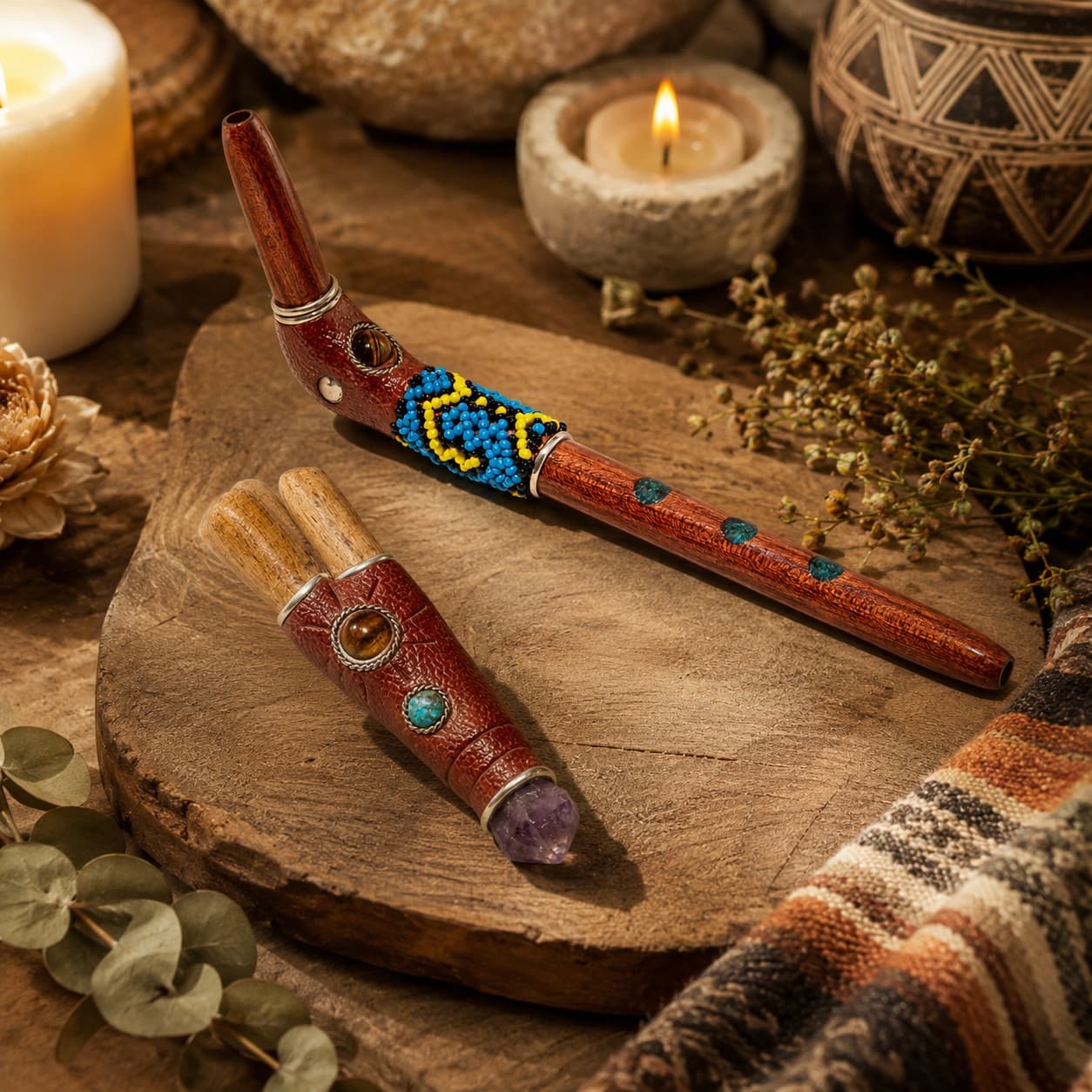
The main difference between a kuripe and a tepi is who the applicator is designed to serve.
A kuripe is designed for self-application. A tepi is designed for serving another person.
That difference changes the purpose of the tool. A kuripe supports personal practice. A tepi supports shared ceremony.
Should Beginners Choose a Kuripe or a Tepi?
Most beginners should choose a kuripe first. A kuripe allows someone to build a personal relationship with hapé before moving into shared ceremonial practice.
A beginner does not usually need a tepi unless they are learning directly from a trusted guide, receiving in ceremony, or preparing to serve others with proper care.
For a simple starting point, consider a bamboo or clay bamboo kuripe. These applicators are lightweight, direct, and easy to keep in a personal medicine bundle or altar space.
Choose a Kuripe If You Practice Alone
Choose a kuripe if your hapé practice is personal, private, or self-guided.
A kuripe may be the right choice if:
- You are beginning your personal hapé practice
- You want to apply hapé to yourself
- You want a portable applicator
- You prefer a slower and more personal pace
- You want a tool for meditation, prayer, or grounding
- You are building a personal altar or medicine bundle
- You want a ceremonial tool that feels intimate and easy to return to
Four Visions offers many personal applicator options, including bamboo kuripes, clay bamboo kuripes, beaded kuripes, Palo Santo kuripes, rosewood kuripes, crystal kuripes, and animal totem kuripes.
Choose a Tepi If You Practice in Shared Ceremony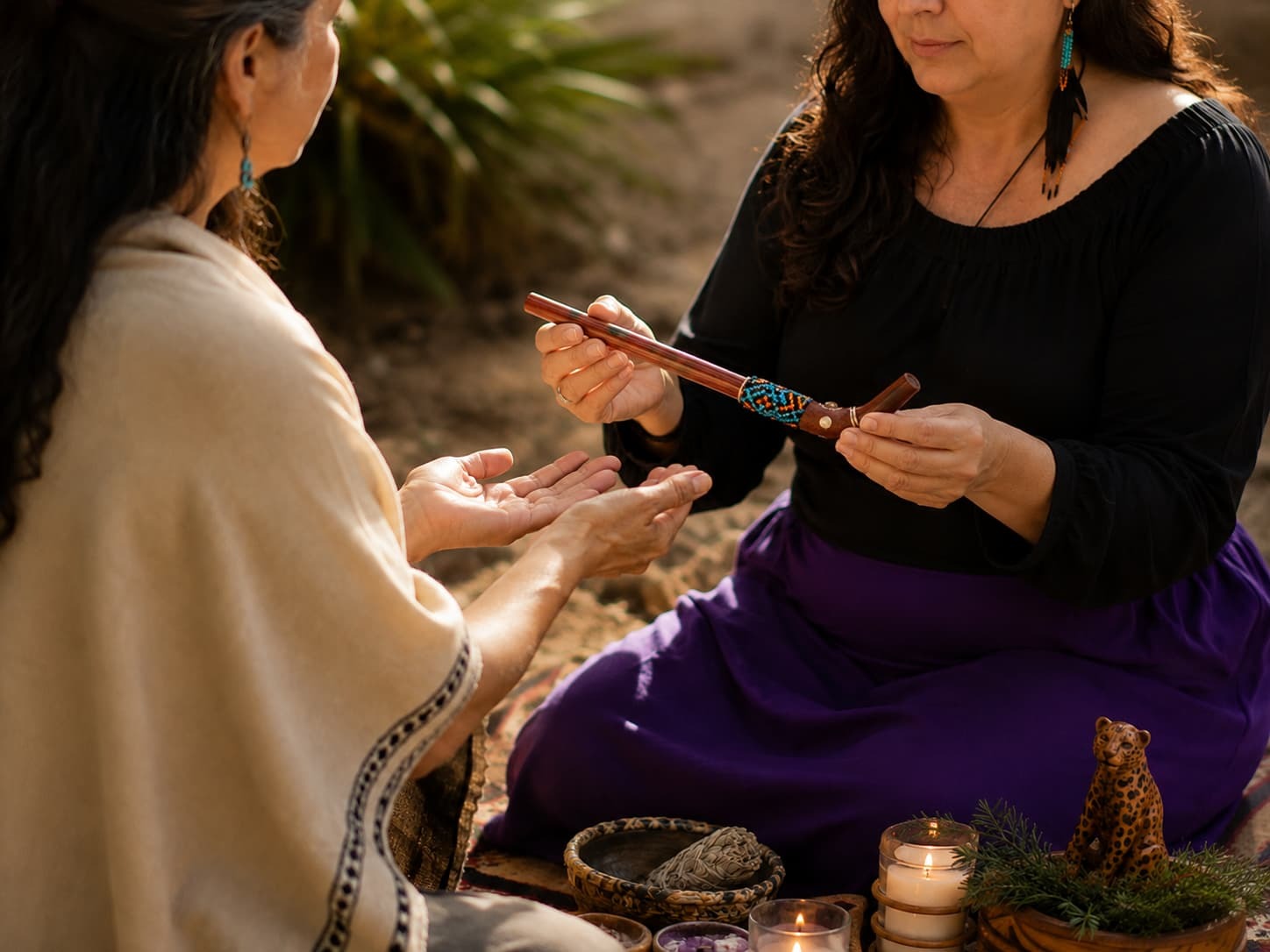
Choose a tepi if your hapé practice involves another person serving or receiving.
A tepi may be the right choice if:
- You receive hapé from a trusted guide
- You participate in shared ceremony
- You are learning to serve others responsibly
- You already have a personal relationship with hapé
- You want a tool for guided ceremonial application
- You understand the importance of consent, hygiene, breath, and intention
A tepi is not usually the first applicator someone needs for solo practice. A tepi becomes more useful when the practice moves from personal use into shared ceremonial work.
Do You Need Both a Kuripe and a Tepi?
You may want both a kuripe and a tepi if your practice includes both personal ceremony and shared ceremony.
A kuripe supports the work you do alone. A tepi supports the work you do with others.
Some practitioners keep both tools because each one serves a different purpose. A kuripe can be used for private grounding, prayer, or meditation. A tepi can be used when a trusted person is serving or when the practitioner is ready to serve another person with care.
What Is a Dual-Nostril Hapé Applicator?
A dual-nostril hapé applicator is designed to serve both nostrils at the same time. Dual-nostril applicators are available as both kuripes and tepis.
A dual-nostril kuripe is used for personal self-application. A dual-nostril tepi is used when one person serves another person.
Some people choose dual-nostril applicators because they prefer a balanced application. Others prefer single-nostril applicators because they allow a slower and more intentional pace.
Neither style is automatically better. The right choice depends on your comfort level, experience, and ceremonial preference.
How Much Does Applicator Material Matter?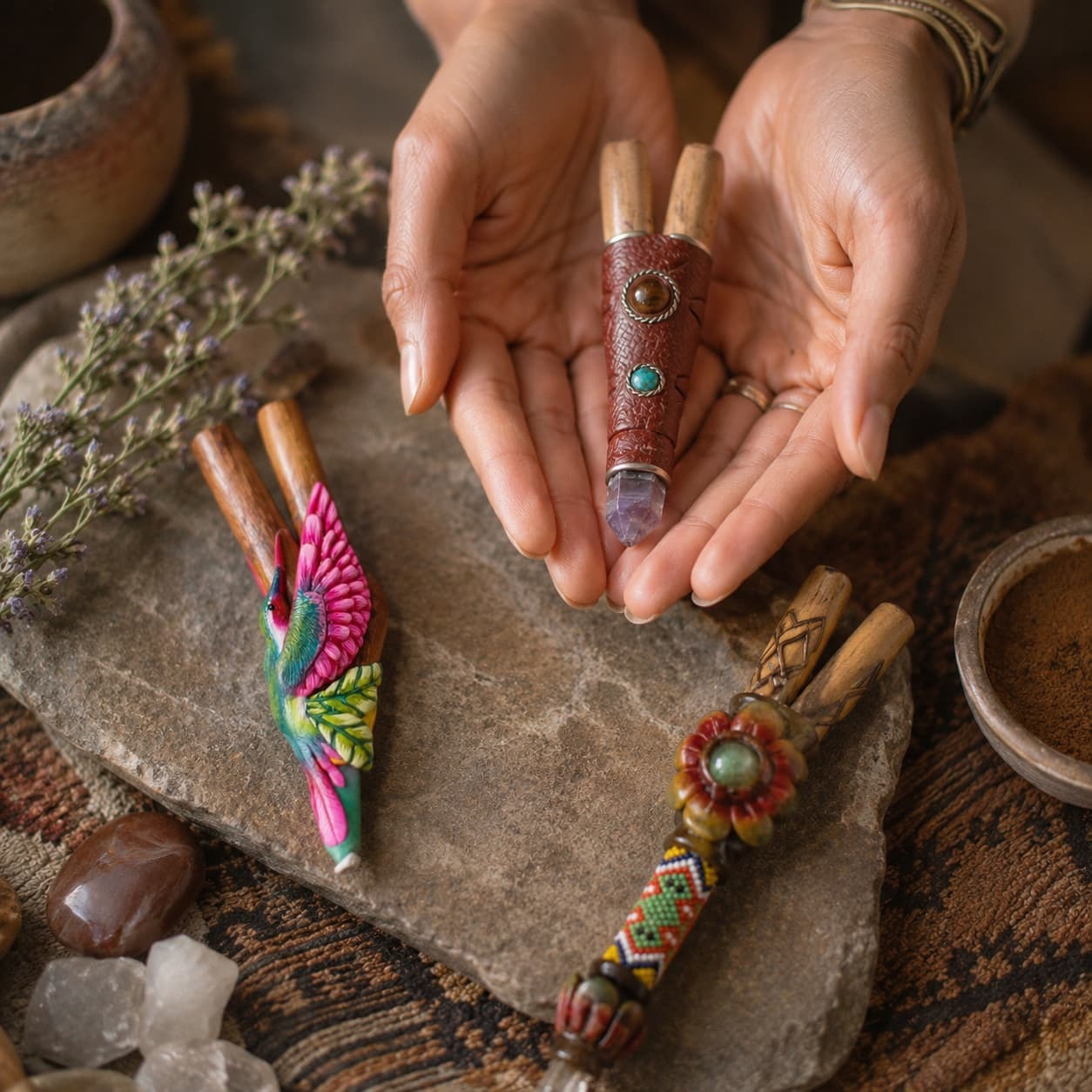
Applicator material matters, but it should usually be the second decision after choosing between a kuripe and a tepi.
First, decide whether you need a personal applicator or a shared ceremonial applicator. Then choose the material that best fits your practice, altar, and ceremonial preference.
Bamboo is often simple, lightweight, and practical. Palo Santo may appeal to those who feel called to cleansing, sweetness, and protection. Rosewood may appeal to those who want a durable, refined ceremonial tool. Crystal, beadwork, bone, clay, and animal totem designs may carry additional symbolic or altar significance.
Four Visions Hapé Applicator Guide
Use this guide to match the applicator type to the kind of practice you are building.
| Practice Need | Recommended Applicator Type | Four Visions Product Examples |
|---|---|---|
| Simple personal practice | Kuripe | Clay Bamboo Kuripe, Black Clay Bamboo Kuripe, Colombian Bamboo Kuripe |
| Personal practice with ceremonial detail | Kuripe | Beaded Kuripes, Bone Kuripe with Crystal, Rosewood + Crystal Kuripe, Hummingbird Kuripe, Macaw Totem Kuripe |
| Personal balanced application | Dual-nostril kuripe | Dual Nostril Palo Santo Kuripe |
| Shared ceremony | Tepi | Bamboo Tepi, Rosewood Tepi, Curved Chontawood Tepi |
| Shared balanced application | Dual-nostril tepi | Dual Nostril Palo Santo Tepi, Dual Nostril Rosewood Tepi |
| Animal totem ceremonial work | Totem kuripe or tepi | Hummingbird Kuripe, Macaw Totem Kuripe, Animal Totem Boa Tepi, Animal Totem Jaguar Tepi |
| Complete ceremonial bundle | Kuripe and tepi set | Beaded Kuripe Case Set |
Product availability may change because many Four Visions applicators are handmade, limited, or one-of-a-kind pieces.
How to Choose a Hapé Applicator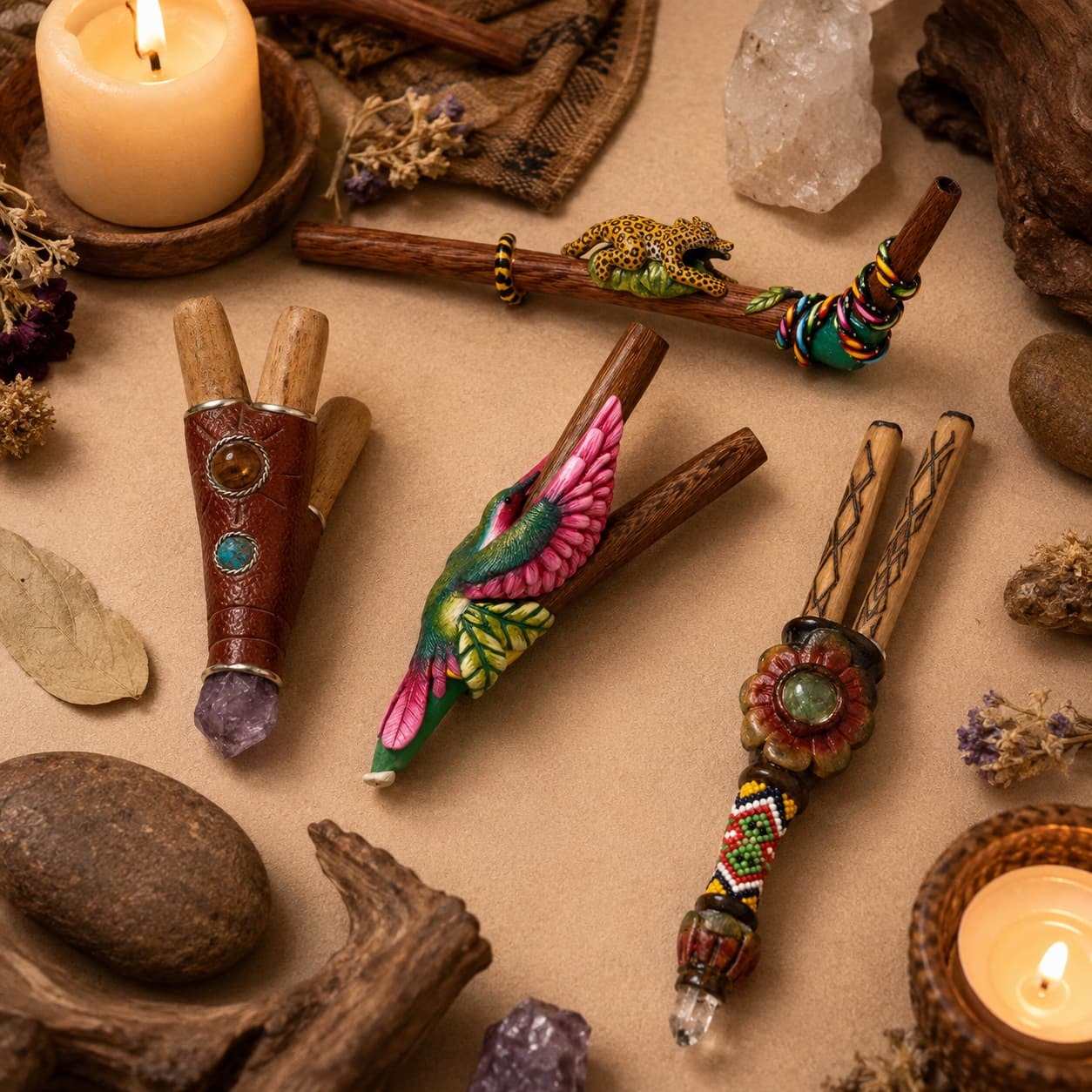
Beginner
A beginner will usually be best served by a simple kuripe. Look for a lightweight design, a comfortable shape, and a material that feels easy to care for.
Good starting points include:
- Clay Bamboo Kuripe
- Black Clay Bamboo Kuripe
- Colombian Bamboo Kuripe
Intermediate Practitioner
An intermediate practitioner may want a more personal or symbolic kuripe. A crystal, beaded, Shipibo, Palo Santo, rosewood, or animal totem kuripe can bring more intention to the altar.
Good options include:
- Bone Kuripe with Crystal
- Beaded Kuripes
- Handmade Yawanawa Kuripes
- Hummingbird Kuripe
- Macaw Totem Kuripe
- Rosewood + Crystal Kuripe
Shared Ceremony Practitioner
A person who participates in shared ceremony or serves others responsibly may want a tepi. A tepi should be chosen with care because it supports a shared ceremonial exchange.
Good options include:
- Bamboo Tepi
- Rosewood Tepi
- Curved Chontawood Tepi
- Animal Totem Boa Tepi
- Animal Totem Jaguar Tepi
Experienced Practitioner or Facilitator
An experienced practitioner may want both a kuripe and a tepi, or a dual-nostril applicator. These tools offer more flexibility for personal and shared settings.
Good options include:
- Dual Nostril Palo Santo Kuripe
- Dual Nostril Palo Santo Tepi
- Dual Nostril Rosewood Tepi
- Beaded Kuripe Case Set
How to Choose Between Similar Hapé Applicators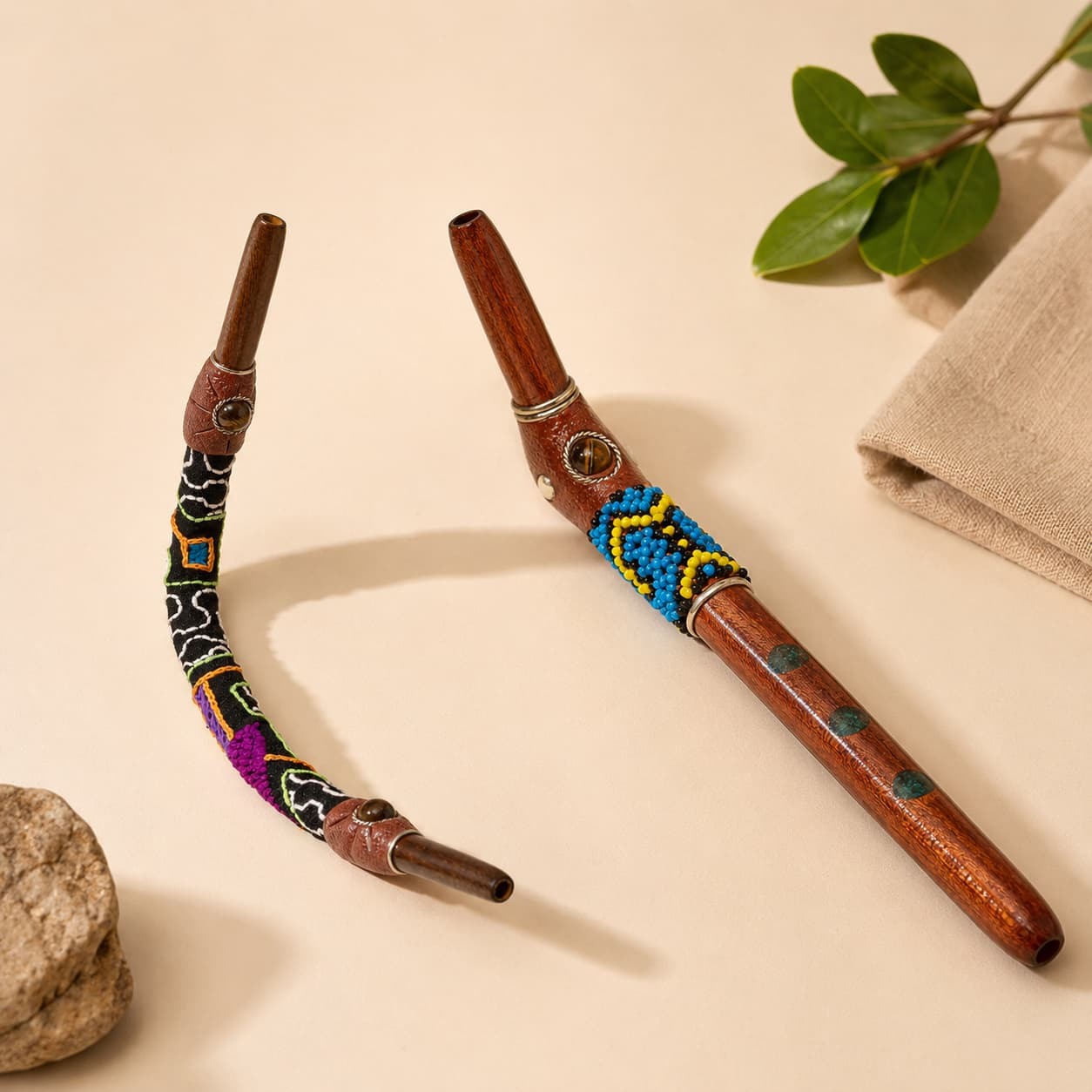
When two applicators feel similar, use the practice itself to guide the choice.
Ask yourself:
- Will I use this applicator alone or with another person?
- Do I want a kuripe, tepi, or dual-nostril applicator?
- Do I want a simple tool or a more decorative altar piece?
- Do I want a single-nostril or dual-nostril design?
- Do I want a portable personal tool or a larger ceremonial piece?
- Do I feel called to a specific animal totem, material, lineage, or design?
- Is the product currently available, handmade, or limited edition?
The right applicator should feel aligned with both the practical needs of your practice and the prayer you are bringing to the medicine.
Tribe Favourites
How to Care for a Hapé Applicator
A hapé applicator should be kept clean, dry, and protected. Treat the applicator as a personal or ceremonial tool, not as a casual object.
Use a small brush, pipe cleaner, or dry cleaning tool to remove residue from the inner channel. Keep the applicator dry unless the specific product page gives different care instructions. Store the applicator in a clean pouch, altar space, or protected place where the applicator will not collect dust or moisture.
A kuripe is best treated as a personal tool. A tepi should be cleaned carefully and used with clear consent, especially because shared applicators involve another person.
Responsible Use, Consent, and Respect
Hapé should be approached with respect, humility, and care. Hapé is not a casual product, and the applicator should support a clear ceremonial container.
Because many hapé blends contain tobacco, follow the laws and age requirements in your location. Avoid hapé if you are under the legal age to purchase tobacco products. Speak with a qualified healthcare professional if you are pregnant, nursing, sensitive to nicotine, managing a heart condition, or unsure whether tobacco-containing products are appropriate for you.
This article is for educational purposes only. This article is not medical advice and is not intended to diagnose, treat, cure, or prevent any disease.
For more guidance on rhythm and relationship with the medicine, read How Often Should I Use Hapé?
Frequently Asked Questions About Kuripes and Tepis
What is the difference between a kuripe and a tepi?+
A kuripe is a personal hapé applicator used for self-application. A tepi is a longer hapé applicator used by one person to serve hapé to another person.
Is a kuripe or tepi better for beginners?+
A kuripe is usually better for beginners because a kuripe is designed for personal practice. A tepi is more appropriate for shared ceremony, guided application, or serving another person.
Can I use a tepi by myself?+
A tepi is not designed for self-application. A tepi is designed for one person to serve another person.
Can I share my kuripe with someone else?+
A kuripe is best treated as a personal applicator. If any applicator is shared, hygiene, consent, and cleaning should be taken seriously.
What is a dual-nostril kuripe?+
A dual-nostril kuripe is a personal applicator designed to serve both nostrils at the same time. Four Visions carries dual-nostril kuripes for those who prefer balanced self-application.
What is a dual-nostril tepi?+
A dual-nostril tepi is a shared applicator designed for one person to serve both nostrils of another person at the same time. Four Visions carries dual-nostril tepis for shared ceremonial use.
What is the best first hapé applicator?+
The best first hapé applicator is usually a simple kuripe. Bamboo and clay bamboo kuripes are practical choices for someone beginning a personal practice.
Do I need both a kuripe and a tepi?+
You only need both a kuripe and a tepi if your practice includes both personal use and shared ceremony. A kuripe is enough for personal practice, while a tepi is useful when another person is involved.
Are Four Visions hapé applicators handmade?+
Many Four Visions hapé applicators are handmade by artisans and Indigenous partners. Because many pieces are handmade, exact size, color, crystal type, and design details may vary.
How do I clean a hapé applicator?+
Clean a hapé applicator with a small brush, pipe cleaner, or dry cleaning tool. Keep the applicator dry unless the specific product page gives different care instructions.
Does applicator material matter?+
Yes, applicator material can affect the weight, feel, symbolic meaning, and altar presence of the tool. However, the first decision is usually whether you need a kuripe for personal practice or a tepi for shared ceremony. After that, you can choose a material such as bamboo, Palo Santo, rosewood, crystal, bone, clay, or beadwork.
Find the Right Hapé Applicator at Four Visions
Choosing between a kuripe and a tepi begins with one simple question: will you be practicing alone, or will hapé be served in a shared ceremonial setting?
Choose a kuripe for personal prayer, meditation, grounding, and self-application. Choose a tepi for shared ceremony, guided receiving, or serving another person with care and consent.
Explore Four Visions Hapé Applicators to find handmade kuripes, tepis, dual-nostril applicators, bamboo tools, Palo Santo pieces, rosewood designs, animal totem applicators, and ceremonial sets crafted to support your relationship with hapé.
